
In today’s digital world, having a website is only the first step toward building an online presence. If people cannot find your website when they search online, you may miss valuable opportunities to attract customers. This is where Search Engine Optimization (SEO) becomes important.
SEO is one of the most important parts of digital marketing. It helps websites improve their visibility in search engines and attract relevant organic traffic.
What Is SEO?
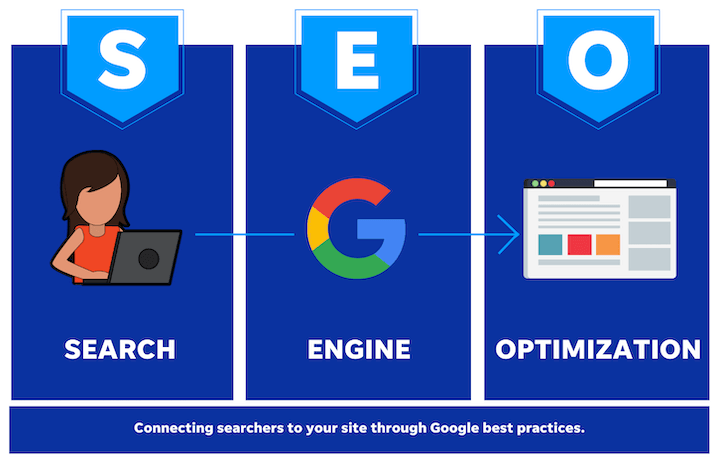
SEO (Search Engine Optimization) is the process of improving a website so that it can appear more prominently in unpaid search engine results.
For example, imagine you own a digital marketing agency. When someone searches Google for “digital marketing agency near me” or “best SEO services,” SEO can help your website become more visible for relevant searches.
Unlike paid advertising, organic SEO traffic does not require you to pay for every click. However, SEO requires consistent effort, useful content, technical improvements, and time to produce results.

How Does SEO Work?
Search engines such as Google use automated systems to discover, understand, and organize webpages. When someone performs a search, the search engine tries to provide results that are useful and relevant to that query.
Search engines consider many signals when determining which pages to display. These can include:
- Relevance and usefulness of content
- Website structure and accessibility
- Page experience
- Links and website authority
- Search intent
- Mobile usability
- Page loading performance
SEO involves improving these areas so search engines can better understand your website while also providing visitors with a good experience.
Main Types of SEO
SEO can generally be divided into several important areas.
1. On-Page SEO
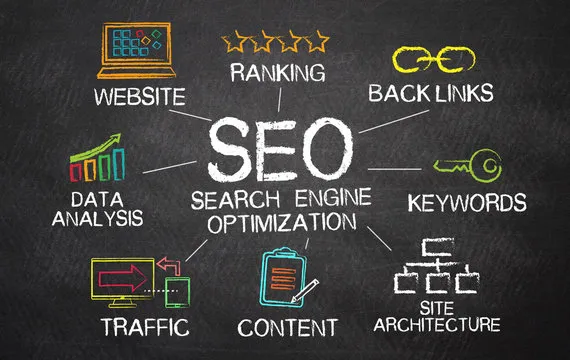
On-page SEO focuses on optimizing elements directly on your webpages. This includes creating useful content and optimizing elements such as page titles, headings, URLs, internal links, images, and meta descriptions.
Keyword research is also important because it helps you understand what your target audience is searching for.
2. Off-Page SEO
Off-page SEO involves activities outside your website that can improve its reputation and authority.
One major component is backlinks, which are links from other websites pointing to your site. High-quality and relevant backlinks can help demonstrate that your content is valuable and trustworthy.
3. Technical SEO
Technical SEO focuses on making it easier for search engines to crawl and understand your website.
It can include improving:
- Website speed
- Mobile usability
- Site architecture
- XML sitemaps
- HTTPS security
- Crawlability and indexability
- Structured data
A technically healthy website provides a stronger foundation for your SEO strategy.
4. Local SEO
Local SEO helps businesses improve their visibility for location-based searches.
For example, searches such as “SEO agency in Delhi” or “digital marketing company near me” can have strong local intent.
Optimizing your Google Business Profile, maintaining accurate business information, collecting genuine customer reviews, and creating locally relevant content can support local SEO performance.
Why Is SEO Important?
SEO can provide several long-term benefits for businesses and websites:
Increased Organic Traffic: Better search visibility can bring more potential customers to your website.
Cost-Effective Marketing: SEO can generate ongoing organic traffic without requiring payment for every visitor.
Better User Experience: Many SEO improvements also make websites faster, easier to navigate, and more useful.
Builds Credibility: Helpful content and a strong search presence can improve the perceived credibility of a business.
Long-Term Growth: High-quality content can continue attracting visitors long after it is published.
Basic SEO Tips for Beginners
Start by researching relevant keywords and understanding what your audience wants. Create original, useful content that answers their questions clearly. Use descriptive titles and headings, optimize images, build logical internal links, and make sure your website works well on mobile devices.
You should also monitor your website using tools such as Google Search Console and Google Analytics to understand search performance and visitor behavior.
Conclusion
SEO is not about simply adding keywords to a website. It is about making your website useful, accessible, relevant, and easy for both users and search engines to understand.
For beginners, the best approach is to focus on quality content, good website structure, technical health, and genuine user value. SEO results usually take time, but consistent optimization can help build sustainable organic visibility and support long-term online growth.